Private Label, White Label, Wholesale partnerships available - EU, USA and UK - Free shipping from €75
Category Blog
How to Buy Bacteriostatic Water Online Safely

In 2026, bacteriostatic water is still available online, but it isn't equally easy to source for every buyer or in every geography. Marketplace enforcement has shifted search and purchasing channels more than it has eliminated supply, while hospital and pharmacy…
5 Ml Sterile Vials: A Practical Buyer’s Guide
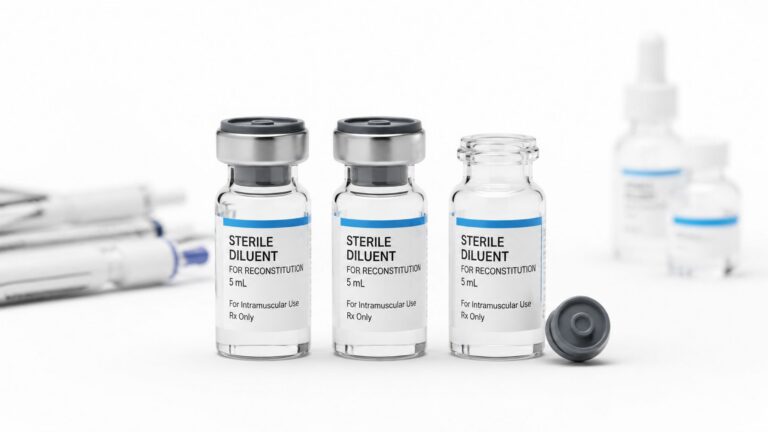
A researcher preparing the week's work may need separate aliquots for peptide material, microbial stocks, buffer blanks, or reconstitution trials. The problem isn't finding a container that holds liquid. It's finding a sterile container closure system that fits the working…
What Is Contamination Control in Lab Settings
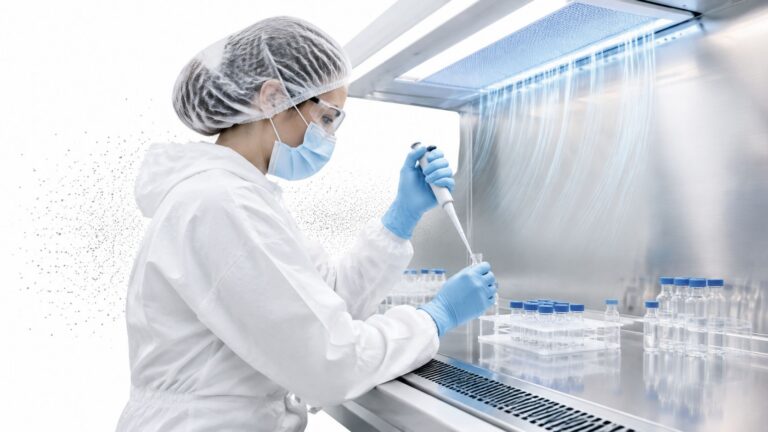
A researcher receives a high-purity peptide, opens a fresh vial, and starts reconstitution at a bench that looks spotless. The batch later produces an unexpected assay result. The cause might be microbial introduction, a particle from packaging, a residue from…
30 Ml Vials Explained: Specs, Uses, and Lab Workflow Tips
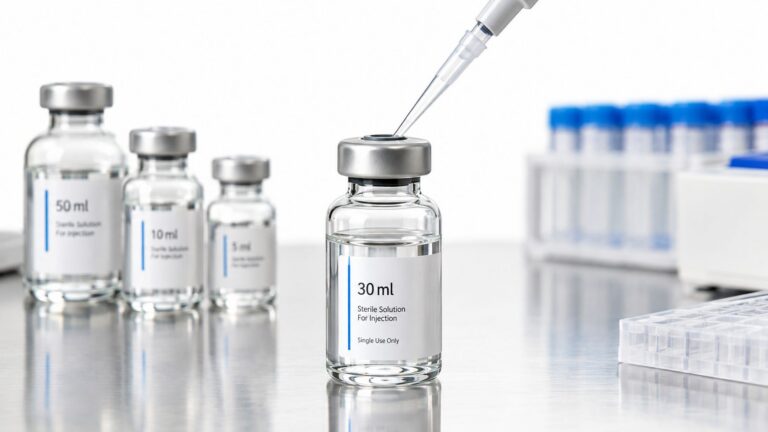
A new researcher can spend more time choosing a vial than preparing the material that goes inside it. A 10 ml vial may look too small, while a 50 ml bottle may seem wasteful, and a 30 ml vial appears…
Glass Vial Labels: A Practical Guide for Research Labs
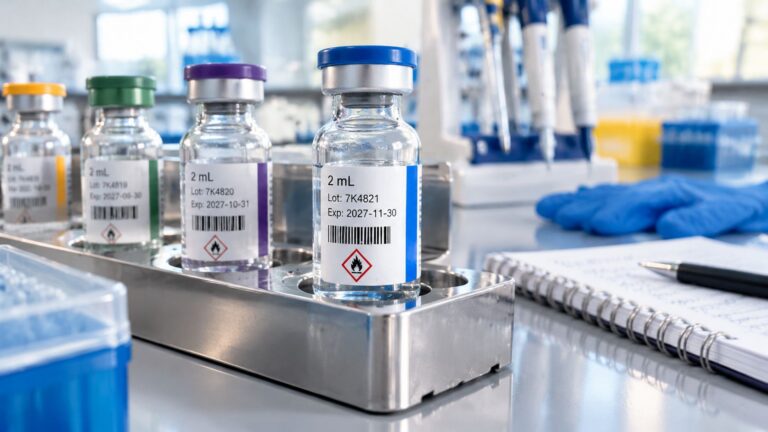
At 7 a.m., a researcher pulls a small glass vial from an ultra-low freezer. Frost covers the surface, the ink has faded, and the label no longer makes it obvious whether the vial contains a research-grade compound or a regulated…
Sterile Glass Vials Buyer and Technical Guide for Labs
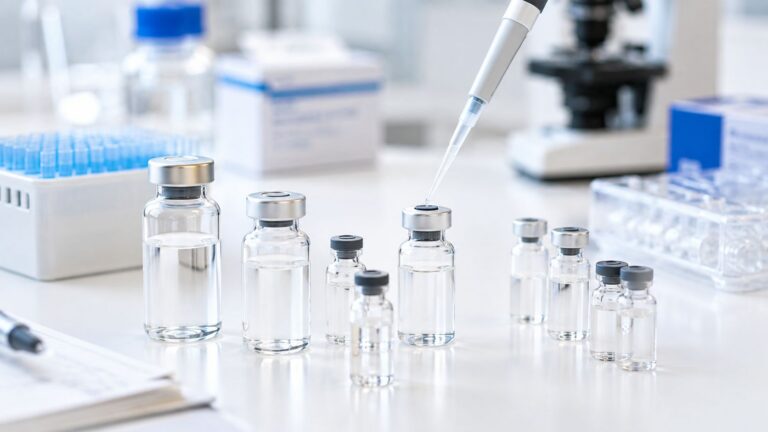
A reconstitution workflow can fail before the researcher notices a problem. The powder may dissolve slowly, the stopper may seat unevenly, or a vial that looks perfectly clean may no longer protect the contents after transport and handling. The immediate…
9 Benzyl Alcohol Explained for Sterile Diluents
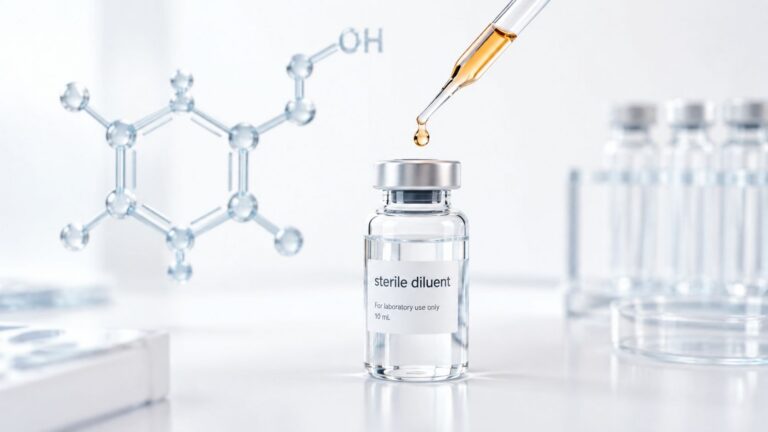
Is “9 benzyl alcohol” a request for a nine-percent formulation, or is the intended product 0.9% benzyl alcohol? That decimal point changes the conversation from a familiar bacteriostatic sterile diluent to a materially different concentration with different safety, compatibility, and…
Contamination Detection in the Lab: A Practical Guide
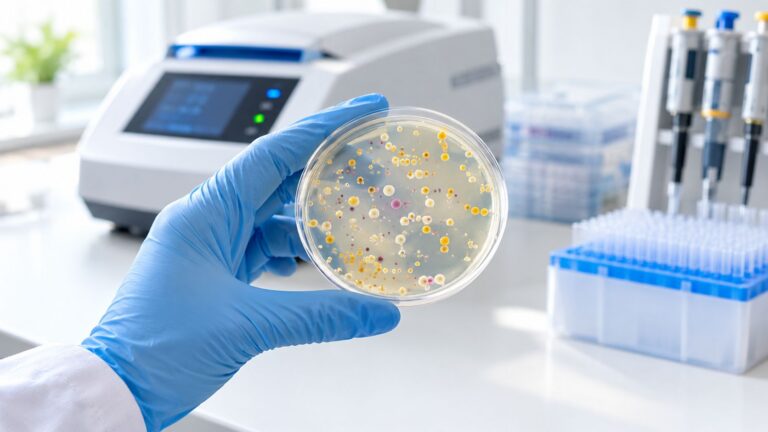
A flask looks clear, the assay controls are within range, and the next sample is already waiting on the bench. Then a routine check raises a question: was the signal produced by the sample, or did contamination enter through a…
Water Quality Standards for Lab Reagents: 2026 Guide
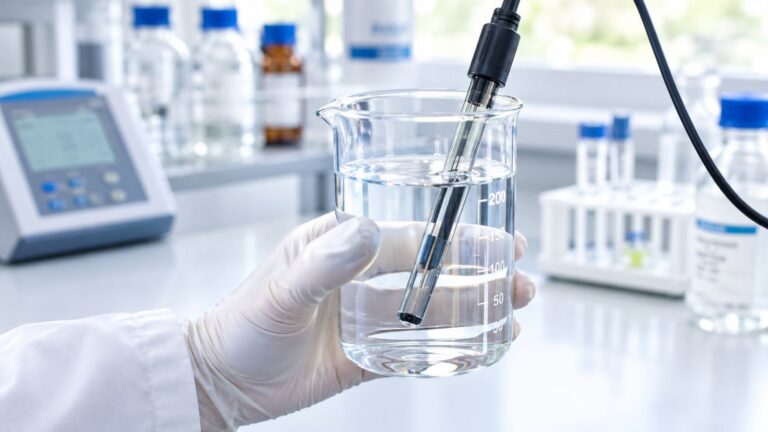
A research team can spend days troubleshooting an assay before anyone questions the water used to prepare its reagents. A failed control, an unstable standard, or unexplained background signal may have nothing to do with the protocol itself. Ionic contamination,…
How to Break a Glass Ampule Safely in the Lab
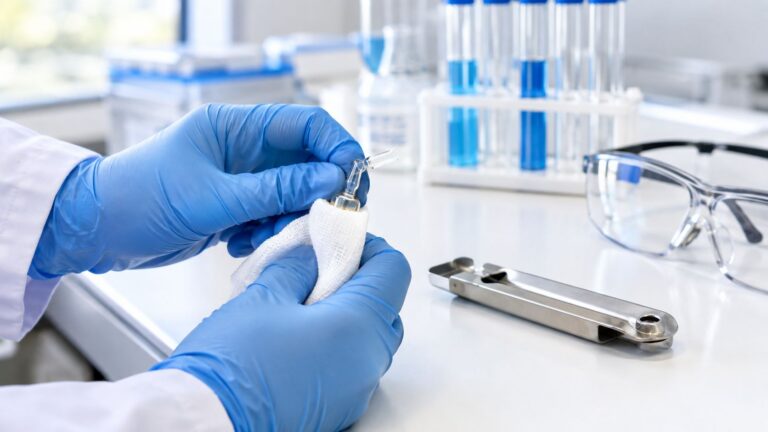
A 2021 laboratory study found glass particles in 449 of 672 ampoules after opening, demonstrating that contamination isn't a rare theoretical problem. The same research showed that technique changes the result: wrapping only part of the neck with cotton and…