Private Label, White Label, Wholesale partnerships available - EU, USA and UK - Free shipping from €75
Blog
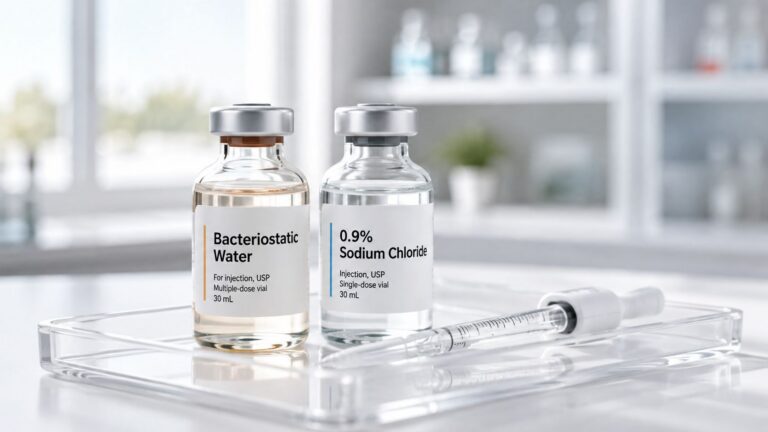
Bacteriostatic Water vs Sodium Chloride: A Research Guide
The popular advice on bacteriostatic water vs sodium chloride is usually too simple: choose water for peptides and saline for injections. That shortcut can create formulation, sterility, and patient-safety problems because the correct diluent depends on the compound, the administration…
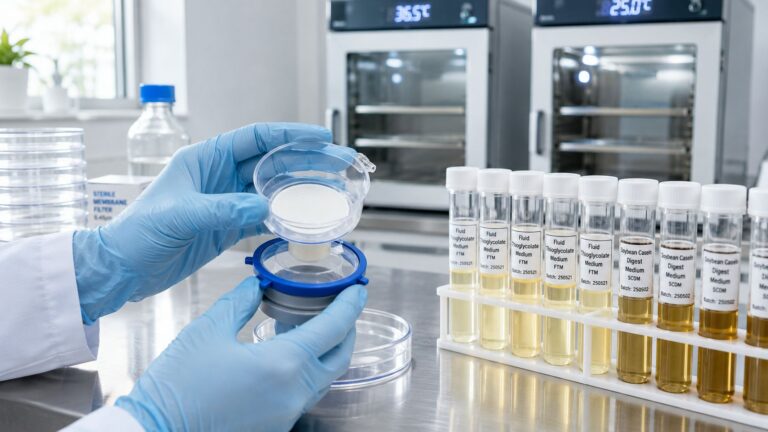
Sterility Testing Procedures: A Practical Guide for Labs
A batch of sterile product is ready for release, but the quality decision still depends on what happens inside the microbiology laboratory. The test vessels have been inoculated, controls are in place, and the incubation period has begun. A single…
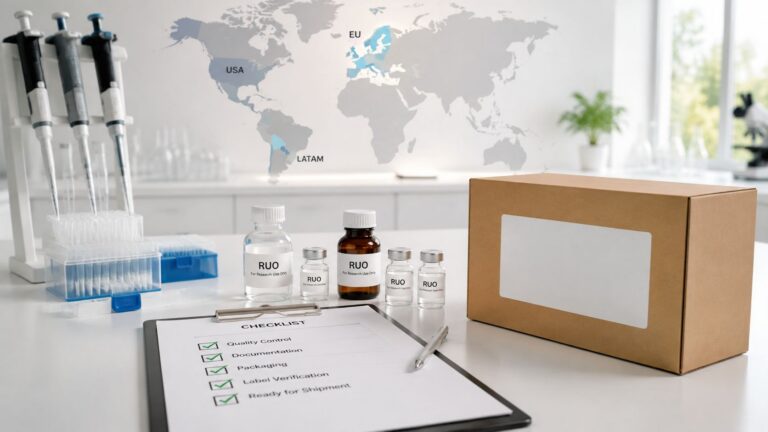
White Label Solutions for Life-Science Products
A mid-sized distributor in Germany may receive an attractive hospital inquiry: a private-label range of PCR master mixes, buffer solutions, and related laboratory consumables, all sold under the distributor's own brand. The manufacturer can produce the goods, but the distributor…
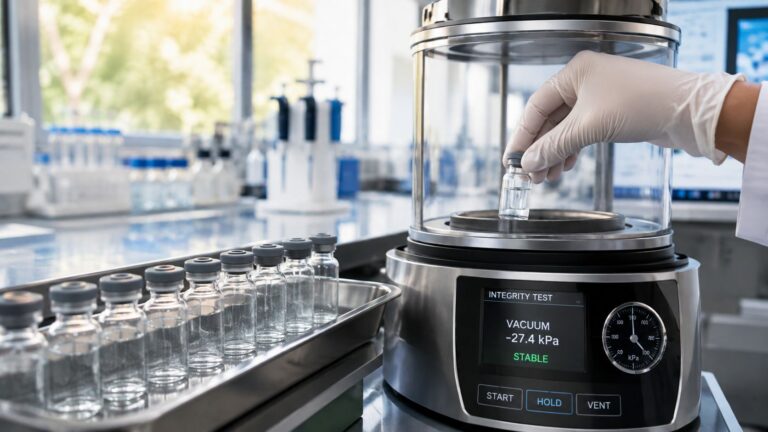
Vial Integrity Testing: A Practical Guide
A stability pull can expose what release testing missed. A lyophilized drug product may leave the fill-finish line with an intact crimp and a passing sterility result, then show moisture ingress months later. The stopper looked seated, the glass looked…
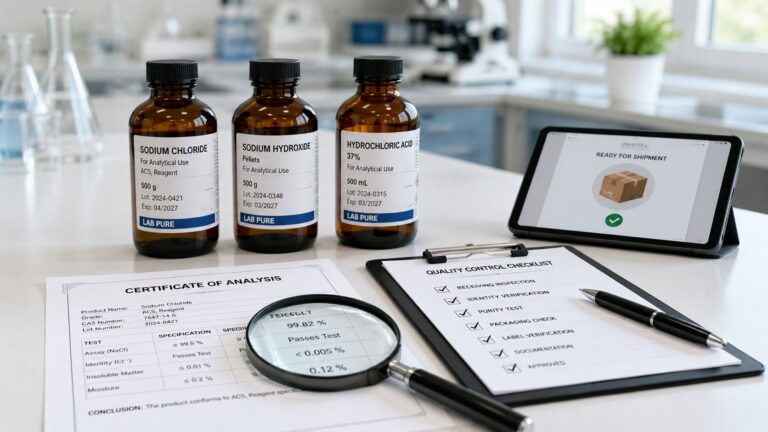
How to Choose Laboratory Chemical Suppliers: A 2026 Guide
A procurement lead approves a laboratory chemical supplier because the quote looks attractive and the catalog appears complete. The first delivery arrives on time, so the vendor gets added to the approved list. Months later, an auditor asks for the…
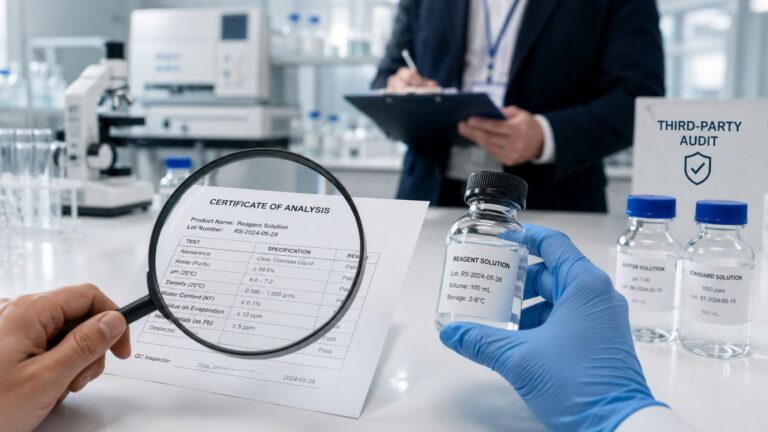
Third Party Verification for Lab Supplies Explained
A distributor receives a new shipment of bacteriostatic water or a lyophilized peptide, checks the accompanying COA, and finds exactly the fields buyers expect: product name, batch number, test date, method, and a clean result. Weeks later, researchers report inconsistent…
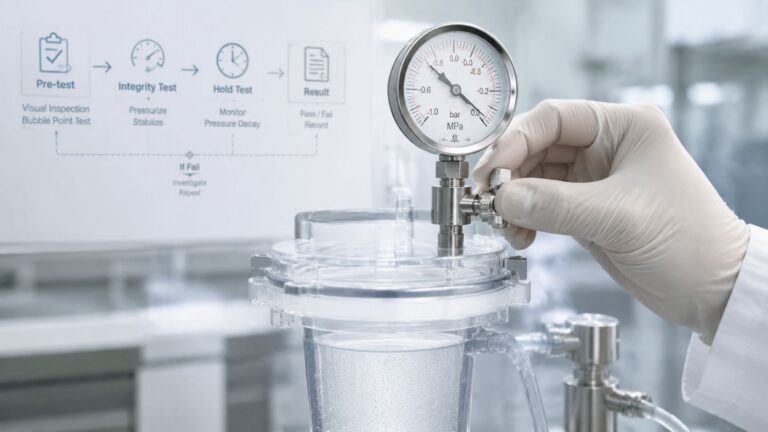
Filter Integrity Testing: Methods, Workflows, and Compliance
A sterile filtration batch can look routine until a post-use result raises a question no one wants to answer: did the filter protect the product throughout processing, or did a defect escape detection? The answer depends on more than selecting…
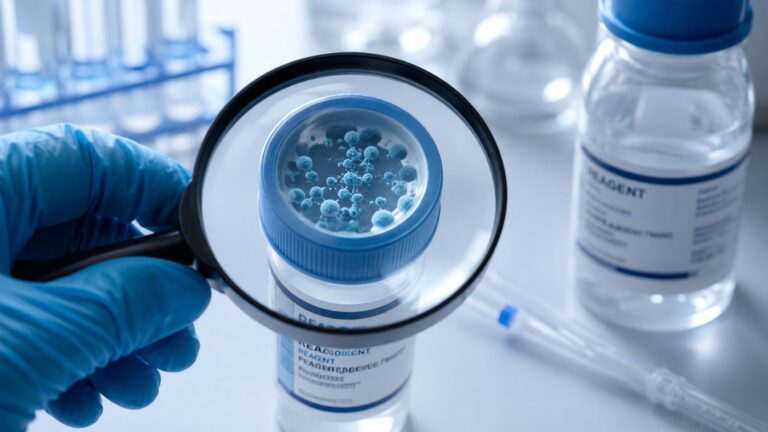
Microbial Contamination in Labs: Detection and Prevention
A cell culture flask looks normal when it goes into the incubator. Two days later, the medium has shifted in color, the pH is drifting, and a faint haze appears where none should be. The first suspicion usually falls on…
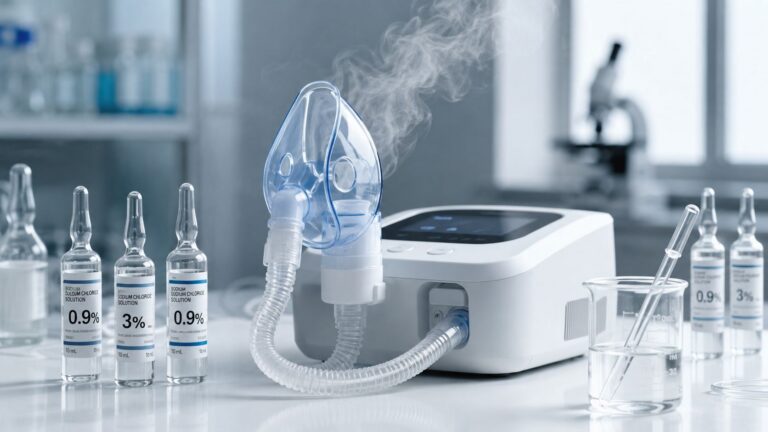
Sodium Chloride for Nebulizer: A Practical Guide
The most popular advice about sodium chloride for nebulizer use is also the source of many avoidable errors: “saline is saline.” A graduate student once reached for a 3% ampoule when a routine dilution required 0.9% sodium chloride. The mistake…
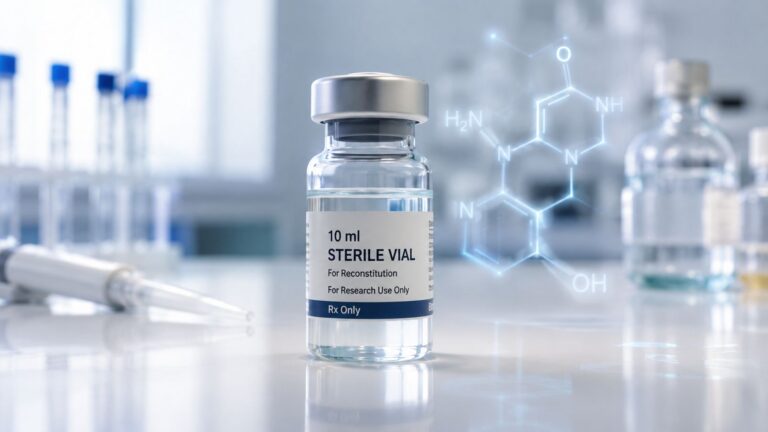
10 Ml Sterile Vial: Complete Technical and Procurement Guide
Buying a 10 ml sterile vial isn't the same as buying a contamination-proof workflow. Vendor documentation can establish how the container was manufactured, sterilized, tested, and sealed, but it can't control what happens after a technician opens the package, swabs…