Private Label, White Label, Wholesale partnerships available - EU, USA and UK - Free shipping from €75
Essential Storage Practices for Bacteriostatic Water
Follow our detailed guide to properly handle and store bacteriostatic water, preserving its integrity and ensuring user safety.
The Foundation of Safe Reconstitution
In any research or medical setting, the integrity of sterile preparations is paramount. The slightest deviation can compromise results and safety. Bacteriostatic water is a fundamental component in this process, designed specifically for reconstituting medications or peptides from a powdered form for multiple uses. It consists of sterile water mixed with 0.9% benzyl alcohol, an agent that acts as a preservative.
It is crucial to understand that the benzyl alcohol is bacteriostatic, not bactericidal. This means it inhibits or prevents the growth of bacteria within the vial; it does not kill them. Think of the benzyl alcohol as a vigilant security system for a multi-dose vial. It keeps potential contaminants from multiplying between uses. However, this system is entirely dependent on proper handling and storage. If conditions are wrong, the security system is effectively disabled, leaving the solution vulnerable.
This function distinguishes it from other common diluents. Sterile water for injection, for example, contains no preservative and is strictly for single use. Normal saline is an isotonic solution also lacking a preservative. Because bacteriostatic water is designed for repeated withdrawals, understanding how to store bacteriostatic water correctly is not just a recommendation, it is a core safety requirement. For further reading on laboratory best practices and related topics, our blog offers a wealth of information.
Optimal Temperature and Light Conditions
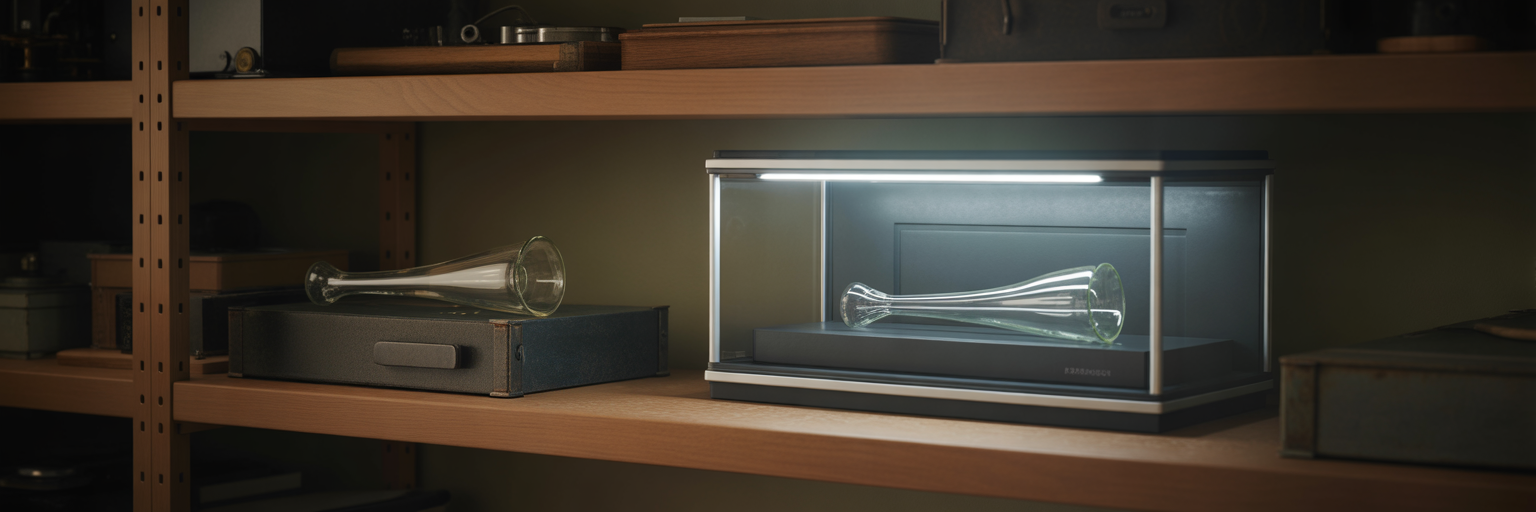
With the preservative’s role established, the next step is maintaining its effectiveness through correct environmental controls. The physical conditions in which you store the vial directly impact its safety and shelf life, both before and after it has been opened.
Guidelines for Unopened Vials
An unopened vial of bacteriostatic water should be stored at a controlled room temperature. The specific recommended range is 20°C to 25°C (68°F to 77°F). Storing it within this window ensures the chemical stability of the benzyl alcohol preservative, keeping it ready for action once the vial is put into use.
The Impact of Light and Heat
Light and heat are the primary enemies of the preservative. Direct sunlight or exposure to UV radiation can actively degrade benzyl alcohol, weakening its ability to inhibit bacterial growth. Similarly, high temperatures accelerate this degradation. A vial left on a sunny windowsill or in a warm room may be compromised long before its expiration date.
Post-Opening Storage: Room Temperature vs. Refrigeration
Once a vial is opened, you have two valid storage options. It can remain at a controlled room temperature (below 25°C), or it can be refrigerated at approximately 4°C. While room temperature storage is acceptable, refrigeration is a best practice. The colder temperature provides an additional layer of protection by further slowing down any potential microbial activity, adding to the preservative’s efforts.
Avoiding Freezing and Extreme Heat
You must never freeze bacteriostatic water. Freezing can cause the liquid to expand, potentially creating micro-fractures in the glass vial or compromising the integrity of the rubber stopper. This damage can create a pathway for contamination. Likewise, exposure to temperatures above 25°C must be avoided, as heat weakens the preservative’s inhibitory effect. The ideal bacteriostatic water storage temperature is a non-negotiable aspect of its safe use. These storage principles apply to all sizes, including our popular reconstitution solution, which comes with manufacturer guidelines printed on the packaging. As noted in Pfizer’s medical information for their bacteriostatic water for injection, storage should be at a controlled room temperature of 20°C to 25°C (68°F to 77°F).
| Condition | Guideline for Unopened Vials | Guideline for Opened Vials (within 28 days) |
|---|---|---|
| Temperature | Store at 20°C to 25°C (68°F to 77°F) | Can be stored at room temperature (below 25°C) or refrigerated (~4°C) for added safety |
| Light Exposure | Must be stored away from direct sunlight and UV sources | Must be stored away from direct sunlight and UV sources |
| Freezing | Strictly avoid; can damage vial seal and integrity | Strictly avoid; can damage vial seal and integrity |
| Extreme Heat (>25°C) | Strictly avoid; degrades benzyl alcohol | Strictly avoid; weakens preservative effect and promotes microbial growth |
Understanding Shelf Life and Expiration
Beyond the physical environment, the timeline of use is the other critical factor governing the safety of bacteriostatic water. The moment a vial is first punctured, a countdown begins. Adhering to these time limits is essential for preventing contamination.
The 28-Day Rule for Opened Vials
Once a vial of bacteriostatic water has been opened, it must be discarded after 28 days. This is not a suggestion but a mandatory safety protocol. Each time a needle punctures the rubber stopper, there is a small but cumulative risk of introducing contaminants. The benzyl alcohol preservative is effective, but it is not designed to withstand repeated exposure risks indefinitely. After 28 days, the potential for microbial growth outweighs the preservative’s inhibitory capacity. This 28-day discard rule is a standard practice in healthcare, as confirmed by health resources like Arpovo Health, which states that opened vials should be discarded after this period to ensure safety.
Tracking the First Use Date
We can all picture that moment of hesitation, trying to remember when a vial was first opened. Avoid this uncertainty by adopting a simple, critical habit: write the date of first use directly on the vial’s label with a permanent marker. This small action removes all guesswork and ensures compliance with the 28-day rule, making it a cornerstone of safe practice when storing opened bacteriostatic water.
Shelf Life of Unopened Vials
An unopened vial is governed by the manufacturer’s printed expiration date. This date indicates the expected bacteriostatic water shelf life, but its validity is entirely contingent on the vial being stored correctly, as detailed in the previous section. If an unopened vial has been exposed to extreme heat or light, its integrity may be compromised even if it is well within its expiration date.
Why Volume Doesn’t Matter
A common misconception is that a nearly full vial is safer to use beyond the 28-day mark than a nearly empty one. This is incorrect. The risk of contamination is not related to the volume of liquid remaining but to the time that has passed since the vial’s seal was first broken. The 28-day clock starts with the first puncture, regardless of how much or how little is used. For users who require frequent reconstitution, managing expiration dates is crucial, and having a fresh supply like our multi-pack solutions can prevent workflow interruptions.
Aseptic Techniques for Contamination Prevention
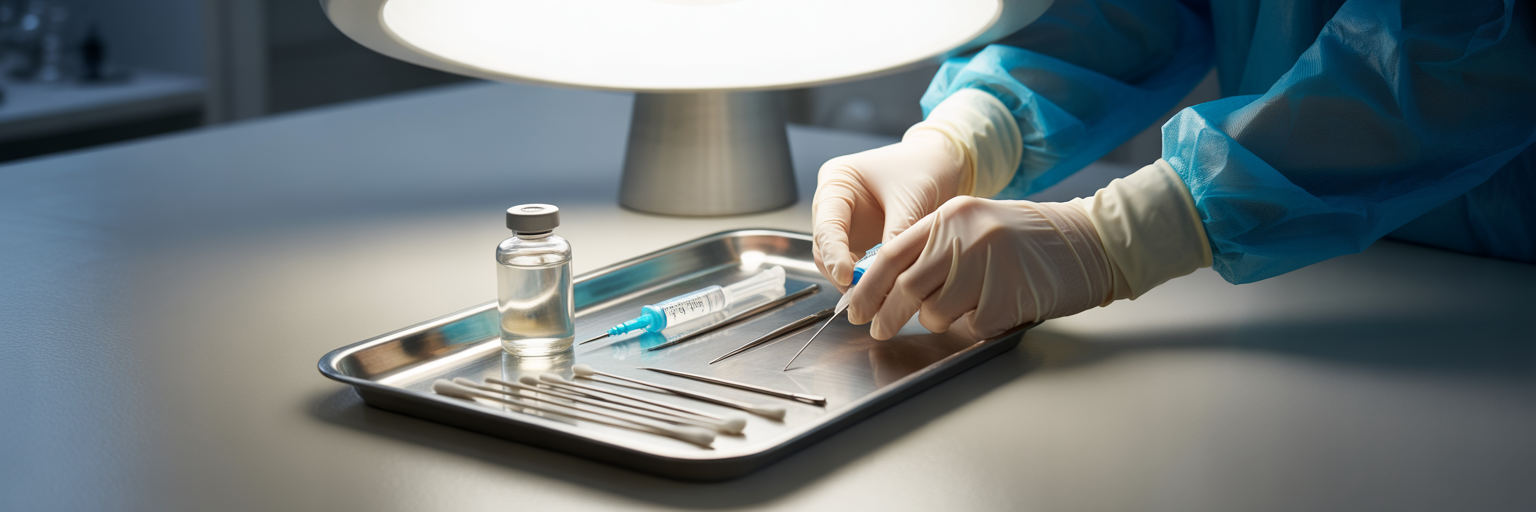
Proper storage is only half the battle. Every time you access the vial, you must use aseptic techniques to maintain its sterility. These steps are not optional; they are fundamental to preventing bac water contamination and ensuring the safety of the final reconstituted product. Think of it as a pre-flight checklist: every step must be completed, every time.
- Prepare Your Workspace and Hands
Start with a clean, uncluttered, and well-lit surface. Before handling any equipment, wash your hands thoroughly with soap and water. This simple first step significantly reduces the risk of transferring microbes from your hands to the vial or syringe. - Sterilise the Vial Stopper
This is a non-negotiable step. Before every single puncture, vigorously wipe the rubber stopper on top of the vial with a fresh 70% isopropyl alcohol swab. Allow it to air dry for a few seconds. This action disinfects the point of entry, removing any contaminants that may have settled on the surface. - Use Sterile Equipment Every Time
A new, sterile syringe and a new, sterile needle must be used for every withdrawal. Reusing a syringe or needle, even on the same vial for the same purpose, is a primary cause of contamination. It can introduce bacteria directly into the solution and lead to serious injection site infections. The minimal cost of a new syringe is insignificant compared to the risks of reuse. - Proper Withdrawal Technique
Carefully uncap the new needle without letting it touch any non-sterile surfaces. Puncture the sterilised rubber stopper and draw the required amount of liquid. Once the syringe is filled, withdraw the needle and handle it with care to avoid accidental contact with your fingers, the countertop, or any other surface before its intended use.
Ensuring you have all the necessary sterile supplies is the first step in safe handling. You can browse our full range of laboratory solutions and accessories in our shop.
Recognising and Managing Compromised Vials
Even with the best storage and handling practices, it is still essential to know how to identify a vial that may have become compromised. Your eyes are your first line of defense. Before every use, perform a quick visual inspection by holding the vial up to a light source against a plain background.
Look for any of these warning signs:
- Cloudiness or haziness: The solution should always be perfectly clear. Any murkiness is a red flag for bacterial or fungal growth.
- Discoloration: If the normally clear liquid has taken on a yellowish or brownish tint, it may indicate chemical degradation or contamination.
- Visible particles or floaters: Any specks, strands, or floating matter in the solution means it is contaminated and unsafe for use.
A comprehensive guide from SyringesNeedlesDepot notes that bacteriostatic water should be clear and free of particulates, reinforcing the need for visual checks before each use. The guiding principle here is simple and absolute: when in doubt, throw it out. Microbial contamination is not always visible to the naked eye, and the health risks associated with using a compromised vial are never worth the cost of replacing it. To reduce potential waste, consider using a smaller volume, such as a 10ml reconstitution solution, for projects that require less frequent access.
Proper disposal is also a matter of safety. Used vials and syringes should be placed in a designated sharps container or another puncture-proof container to prevent accidental injury, in accordance with local medical waste regulations.
Key Storage Principles Summarised
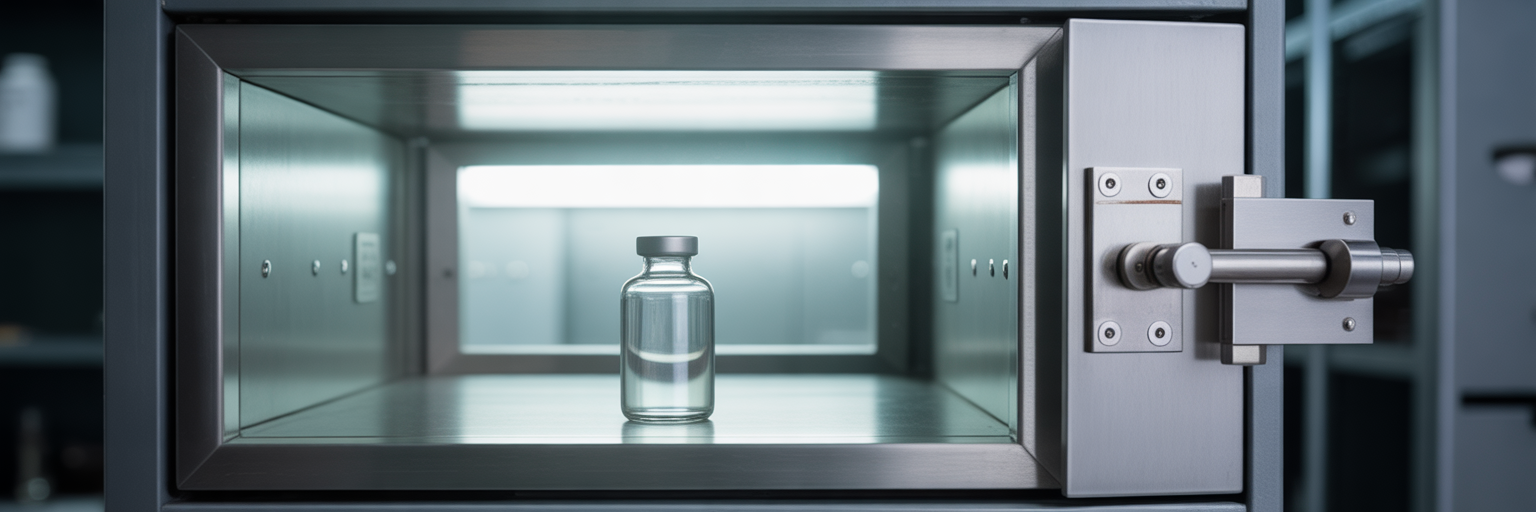
Maintaining the efficacy and safety of bacteriostatic water comes down to a consistent set of practices. These are not just tips but essential rules for anyone using multi-dose vials for reconstitution. This checklist serves as a final reminder of the most critical points covered.
- Store Unopened Vials Correctly: Keep them in a dark place at a controlled room temperature between 20°C and 25°C (68°F to 77°F).
- Adhere to the 28-Day Rule: Always discard an opened vial 28 days after the first puncture, regardless of how much liquid remains. Write the opening date on the label.
- Practice Aseptic Handling: Before every use, wipe the stopper with an alcohol swab and always use a new, sterile needle and syringe.
- Inspect Before Every Use: Check the vial for cloudiness, discoloration, or particles. If you have any doubt about its integrity, do not use it.
These practices are not complicated, but they are strict. Following them diligently is fundamental to ensuring both the effectiveness of the reconstituted product and, most importantly, the safety of the end-user.